
Where Europe Meets Washington, D.C.: Inside the EU Open House

Each spring in Washington, D.C., a quiet yet profound ritual of diplomacy unfolds, not behind closed doors, but through open gates. On May 9, 2026, the annual European Union Open House returns as part of the broader “Passport DC” celebrations, inviting the public into a rare intimacy with the cultural and political fabric of Europe. This event, organized by the European Union Delegation to the United States, coincides with Europe Day, commemorating the Schuman Declaration, the foundational moment that set Europe on its path toward unity.

What distinguishes the EU Open House from other diplomatic occasions is its deliberate inversion of protocol. Embassies, typically bastions of sovereignty and discretion, become spaces of encounter, pedagogy, and celebration. Visitors traverse what might be described, borrowing from the language of early modern travel literature, as a “compressed Grand Tour”: in a single day, one moves from Lisbon to Tallinn, from Athens to Dublin, not through geography but through architecture, cuisine, music, and conversation.
The 2026 edition continues a tradition that now draws tens of thousands of attendees, transforming Embassy Row into a living atlas of European diversity. From the Embassy of France to the Mediterranean warmth of Greece, whose embassy has already confirmed its participation as well as to the cultural expressions of Ireland, Italy, Spain, and Slovakia, the event reflects the full breadth of the European project.
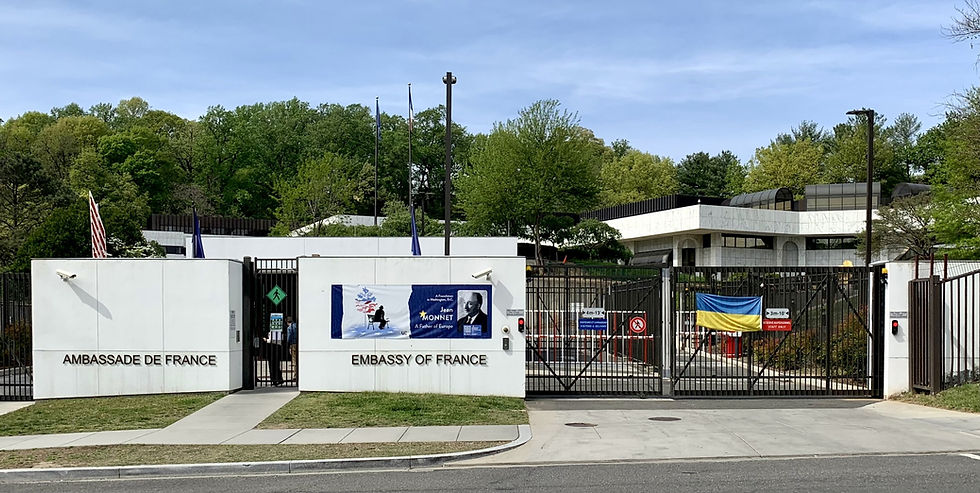


In practice, participation extends across the embassies of all European Union member states, twenty-seven in total, each presenting a curated vignette of national identity. While the official 2026 list is dynamically updated, historically and consistently participating embassies include those of France, Germany, Italy, Spain, Portugal, Greece, Ireland, Belgium, Netherlands, Poland, Czech Republic, Austria, Sweden, Denmark, Finland, Romania, Bulgaria, Croatia, Slovenia, Estonia, Latvia, Lithuania, Luxembourg, Malta, and Cyprus, alongside the EU Delegation itself, which often hosts multiple smaller member states under one roof.
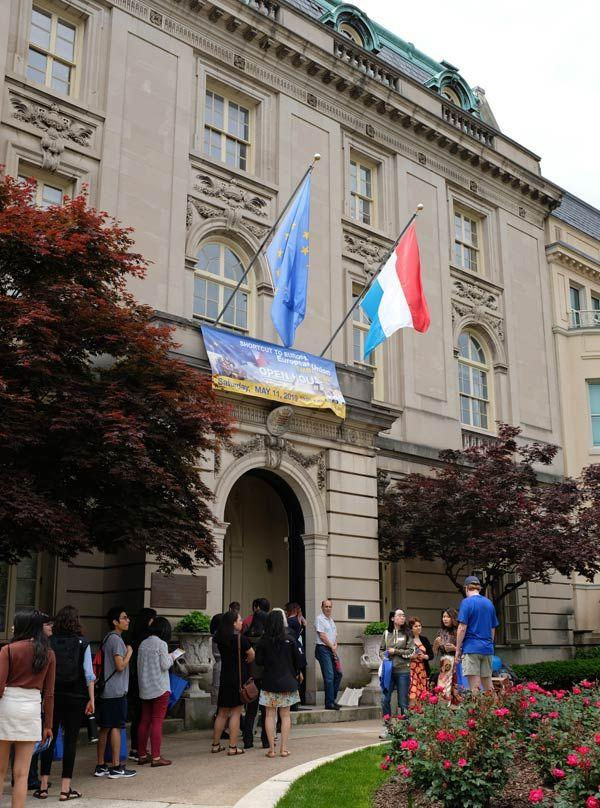
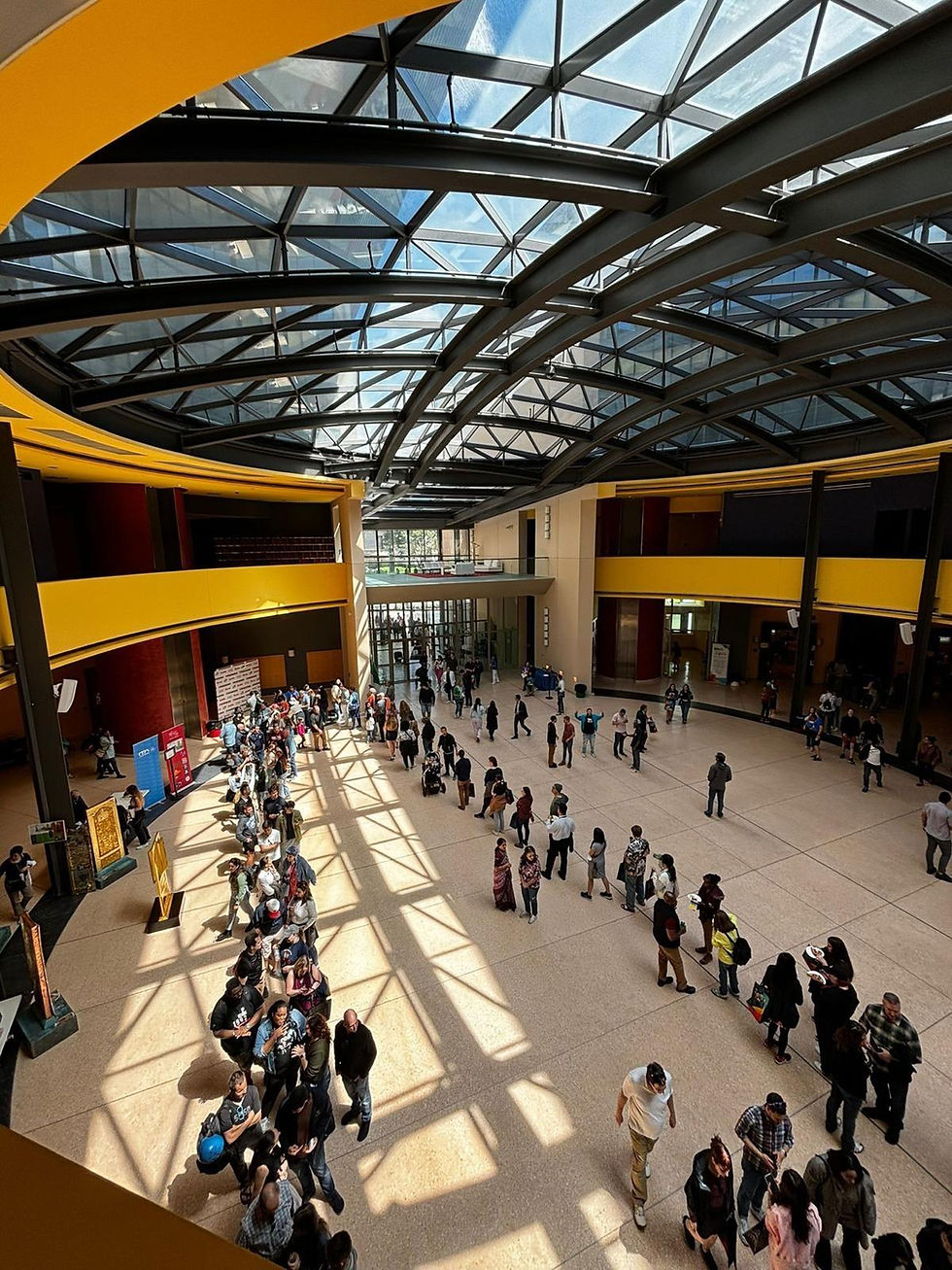


The intellectual significance of the event lies not merely in its festive atmosphere, but in its subtle enactment of European integration. Since 1950, the European project has been predicated on the idea that shared institutions could transcend centuries of rivalry. The Open House translates this abstraction into lived experience: gastronomy becomes diplomacy, architecture becomes narrative, and conversation becomes a form of soft power. It is, in effect, a pedagogical instrument, one that renders the European Union legible to an American audience not through policy papers, but through culture.
Moreover, within the broader framework of Passport DC, the EU Open House occupies a symbolic midpoint. Following the “Around the World Embassy Tour,” it offers a distinctly European counterpoint, emphasizing both unity and diversity. Visitors encounter not a monolithic Europe, but a mosaic, each embassy articulating its own historical memory, artistic heritage, and contemporary identity.
For the discerning observer, the event also reveals the evolving nature of diplomacy in the twenty-first century. No longer confined to negotiation rooms, diplomacy increasingly unfolds in public spaces, mediated through culture and participation. The EU Open House exemplifies this shift: it is at once a celebration, a strategic communication tool, and a reaffirmation of transatlantic ties.

In this sense, May 9, 2026, is more than a date on Washington’s social calendar. It is an annual reminder that the European experiment, born from the ruins of war, continues to express itself not only through treaties and institutions, but through the shared human desire to encounter, to understand, and to belong.
Sources
European External Action Service, EU Open House 2026, official page
Events DC / Passport DC program overview
EU Delegation sponsorship and attendance data (2026)
Participating countries and embassies references (EU-wide participation)
Embassy participation example (Greece Embassy announcement)


Comments