
How French Cinema Finds an American Audience
French films do not simply arrive in the United States. Festivals, distributors, cultural institutions, universities, critics and audiences build the route by which they become visible.
The phrase ‘French cinema in America’ can suggest a finished work crossing the Atlantic intact. The reality is more complicated. A film may be made in France, but its American life is created through selection, subtitling, rights negotiations, distribution, criticism, programming, teaching and conversation. Without that network, even an acclaimed film can remain practically invisible.

Villa Albertine’s November 2026 calendar offers a concentrated view of that ecosystem. DOC NYC is presenting French documentaries and international co-productions from November 11 through 29. Metrograph is devoting a November 13–22 retrospective to Virginie Efira. Anthology Film Archives is presenting AMALRIC ↔ ZORN, a November 13–25 program exploring the collaboration between French actor-filmmaker Mathieu Amalric and American composer John Zorn. French cinema is also appearing through programs at MoMA, Columbia University, universities participating in Albertine Cinémathèque and commercial theatrical releases.
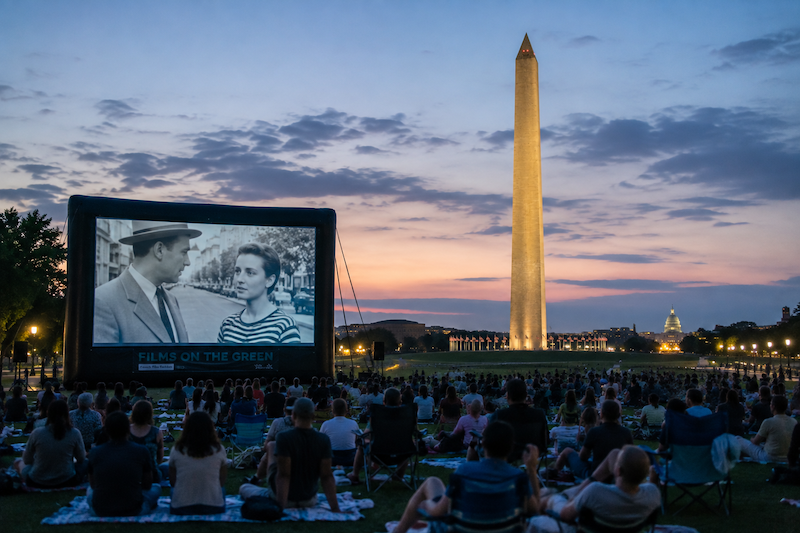
Each venue performs a different cultural function. A commercial distributor must persuade exhibitors and audiences that a subtitled film deserves screen time. A festival creates concentration and discovery, allowing a small work to be encountered alongside established names. A cinematheque supplies history, placing new films in relation to earlier work. A university turns viewing into discussion and gives students access outside the major metropolitan art-house circuit. An embassy cultural service connects these institutions and provides continuity across individual releases.
The Virginie Efira retrospective demonstrates the value of the career overview. American audiences may know an actor through one internationally distributed performance, but a retrospective makes range visible. Efira’s work across comedy, psychological drama, romance and films by directors including Justine Triet, Rebecca Zlotowski and Paul Verhoeven complicates the idea of a single exportable French persona. Her presence at the opening further transforms spectatorship into encounter.
AMALRIC ↔ ZORN works differently. It is built around a creative relationship rather than nationality alone. Amalric’s films about Zorn and music-inflected works such as Barbara reveal cinema as a form capable of listening. The program, supported by Villa Albertine, Unifrance and LaScam, also shows how cultural diplomacy often succeeds through collaboration between institutions with distinct missions: archives, rights organizations, promotion agencies and artists.
Documentary festivals provide another route. The French selections at DOC NYC address coming of age, reproductive rights, colonial history and feminist activism. Former Villa Albertine resident Bojina Panayotova’s With Love and Rage illustrates the long timeline of support: residency programs help develop artistic research; festivals provide public visibility; critics and distributors may then extend a film’s life. Cultural exchange is rarely one event. It is a chain of opportunities.

Subtitling is central to that chain and deserves to be understood as authorship under constraint. A subtitle must preserve meaning, rhythm, humor, social register and cultural reference within severe limits of time and space. The translator decides what an audience can absorb before the image changes. Poor translation can flatten class, geography or character; thoughtful translation allows difference to remain intelligible without pretending that every expression has an exact equivalent.
The American market presents structural challenges. Foreign-language films compete for a limited number of screens and for attention fragmented across streaming platforms. Marketing budgets are often modest. Reviews, awards, festival selections and institutional endorsements therefore carry disproportionate weight. Unifrance’s recognition of distributors working abroad acknowledges this less visible labor. Its Distribution Award highlights campaigns that find inventive ways to create audiences for French work beyond France.
Streaming has widened access but has not eliminated curation. A platform may make thousands of titles technically available while making only a few discoverable. The university series, critic’s essay, retrospective and festival introduction still matter because they tell viewers why a film deserves time. Algorithms organize abundance; cultural institutions create context.
French cinema finds an American audience when many intermediaries agree to take responsibility for the meeting. The filmmaker supplies the work, but translators, programmers, distributors, teachers, journalists and spectators complete its passage. That network is cultural diplomacy in its most durable form: not official messaging, but sustained attention to another society’s imagination.
Sources
Villa Albertine, French Films and New Media Highlights in November 2026. https://villa-albertine.org/va/events/french-films-and-new-media-highlights-in-november/
Unifrance, Distribution Award and French cinema promotion abroad. https://en.unifrance.org/newsletterDate/7258/impression/en
Unifrance, Feature Films and International Programs. https://en.unifrance.org/movie/feature-movies



Comments